What a Professional Tree Trimming Scope Delivers
Health, clearance, and safety specifications on every pruning project
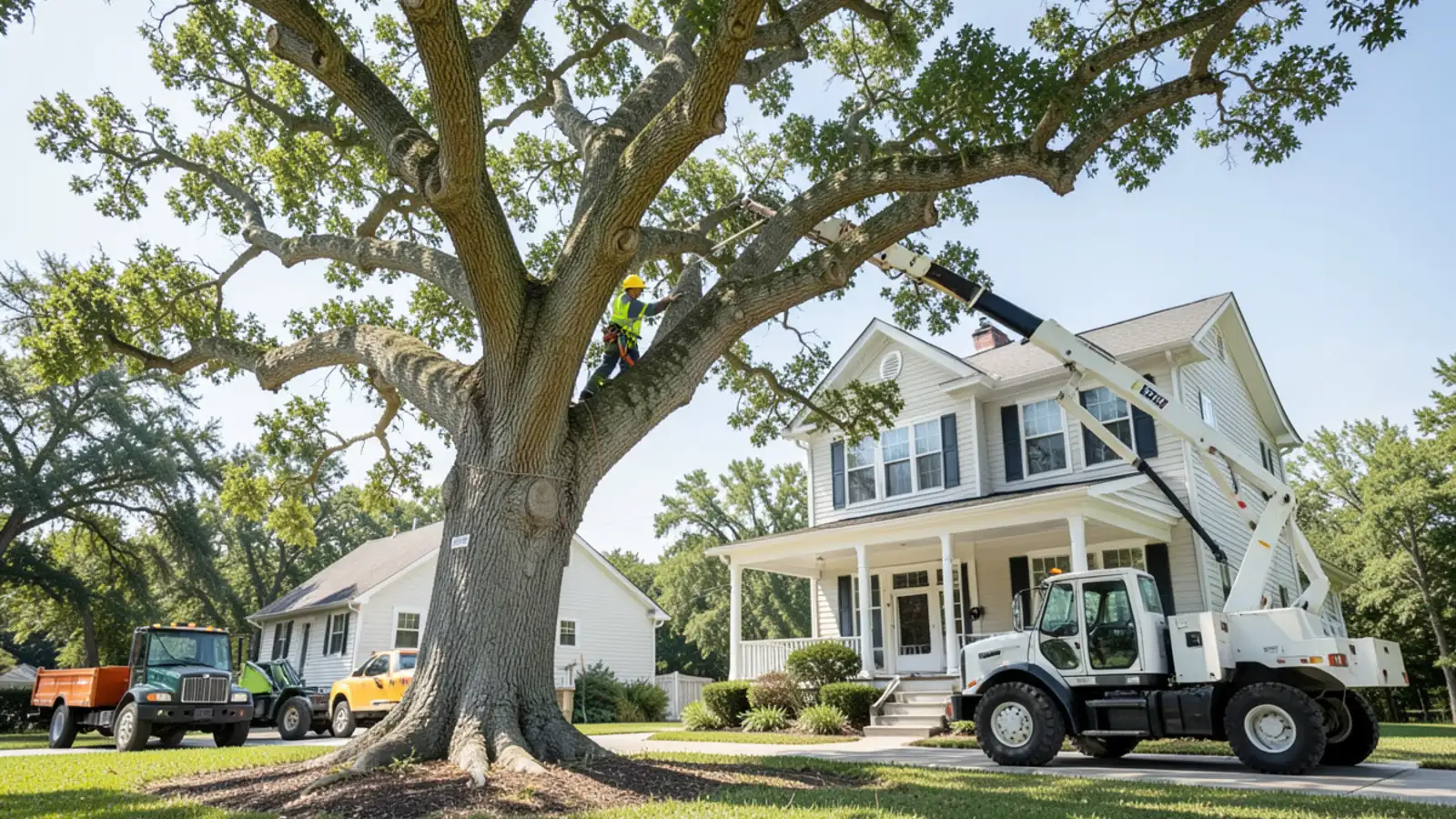
Tree trimming at Honey Bear Tree Service is rooted in arboricultural science rather than arbitrary limb cutting. Whether elevating lower canopy for driveway clearance or removing deadwood from historic oaks, we provide clear, itemized scopes.
Our goal is to protect your roofline and lawn structures while preserving the natural symmetry, vigor, and storm resilience of your shade trees.
- Minimum 8-to-10-foot clearance pruning back from rooflines, gutters, and chimney stacks
- Thorough canopy deadwooding to eliminate brittle limbs larger than 2 inches in diameter
- Selective crown thinning to reduce wind resistance during severe West Georgia thunderstorms
- Spike-free climbing techniques that preserve living trunk bark and prevent decay infection
- Immediate on-site branch chipping, lawn raking, and driveway leaf-blowing cleanup
Have Questions About Tree Trimming & Pruning in Newnan?
Speak directly with our local tree crew. We provide same-day assessments, itemized written scopes, and rapid storm dispatch across Coweta County.
Overhanging Canopies & Roofline Interference in Newnan
Protecting your home exterior from moisture and branch abrasion
In Newnan's historic neighborhoods and mature subdivisions, massive water oaks and loblolly pines frequently extend heavy branch systems directly over residential roofs, chimneys, and detached garages. When branches touch or overhang shingles within a few feet, they create multiple continuous maintenance headaches.
Overhanging limbs drop leaves, pine needles, and sweetgum balls directly into gutters, causing water backups that rot fascia boards and foundation soil. During heavy rain, wind causes limbs to scrape violently against asphalt shingles, stripping protective mineral granules and puncturing roof membranes. Moreover, overhanging limbs serve as natural bridges for squirrels, raccoons, and carpenter ants seeking attic access.
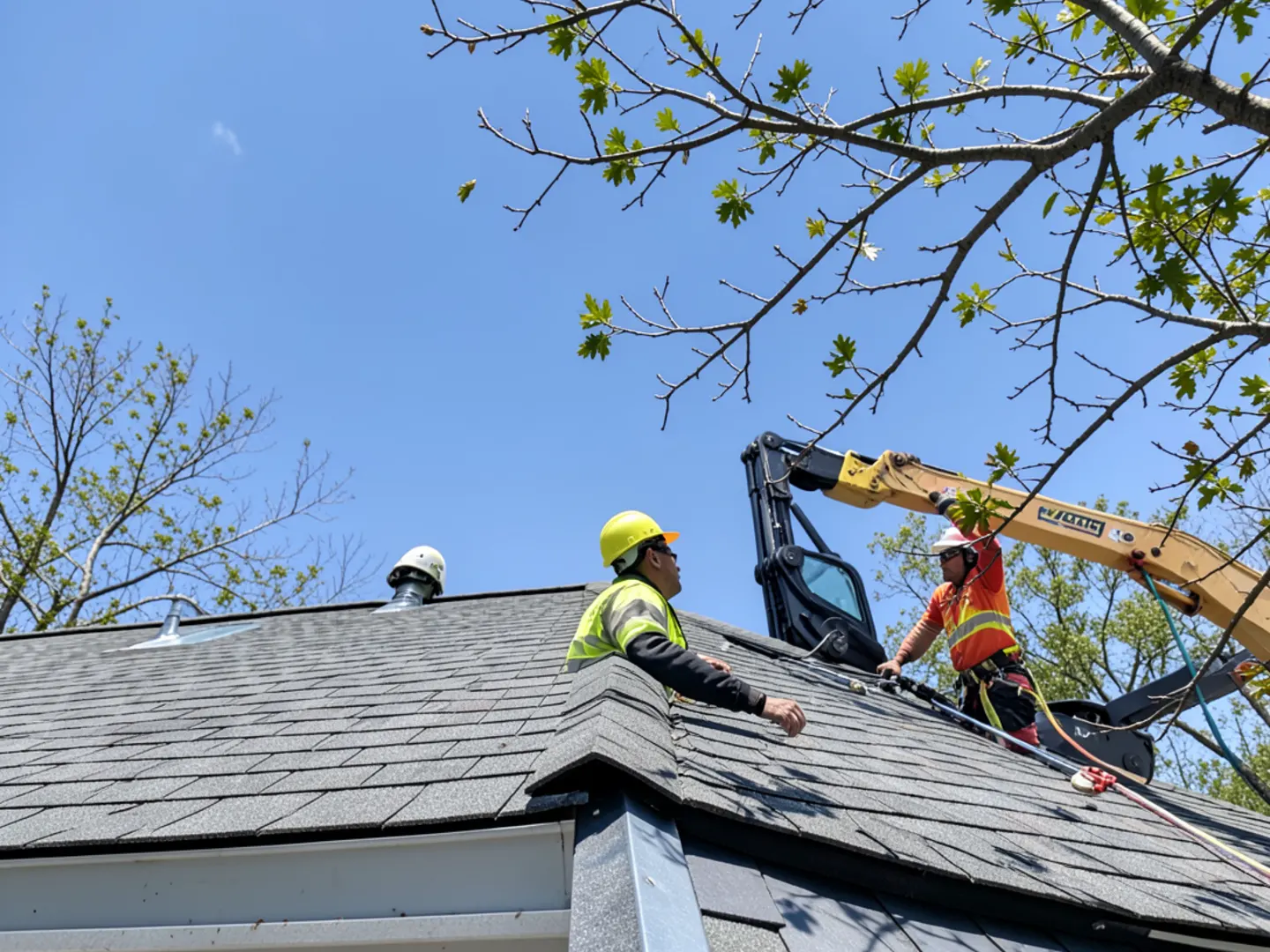
Our arborists establish clean, defensive clearance zones around your structure. We selectively prune back offending lateral limbs to achieve a recommended 8 to 10 feet of clear air space above roof planes, while ensuring that cuts are made to healthy parent stems rather than leaving ugly, rotting stub branches.
Structural Pruning vs. Harmful Tree Topping
Why proper technique preserves tree health and property value
Many inexperienced contractors offer to 'top' trees to reduce height quickly. At Honey Bear Tree Service, we adhere strictly to ANSI A300 pruning standards and actively educate property owners against harmful topping practices.
When a tree is topped, its primary food-producing leaves are severed, sending the tree into severe shock. In response, the tree rapidly produces dozens of upright water sprouts (epicormic shoots). These shoots grow rapidly but are weakly attached to the exterior sapwood without deep structural anchoring, creating limbs that fail readily in moderate thunderstorms. Proper crown thinning and crown reduction preserve natural branch bark ridges while safely lowering wind resistance.
Scientific pruning works with the tree's natural compartmentalization processes. By respecting the branch collar and preserving the branch protection zone, each cut calluses over naturally with protective woundwood, sealing out heartwood rot and wood-boring insect vectors.
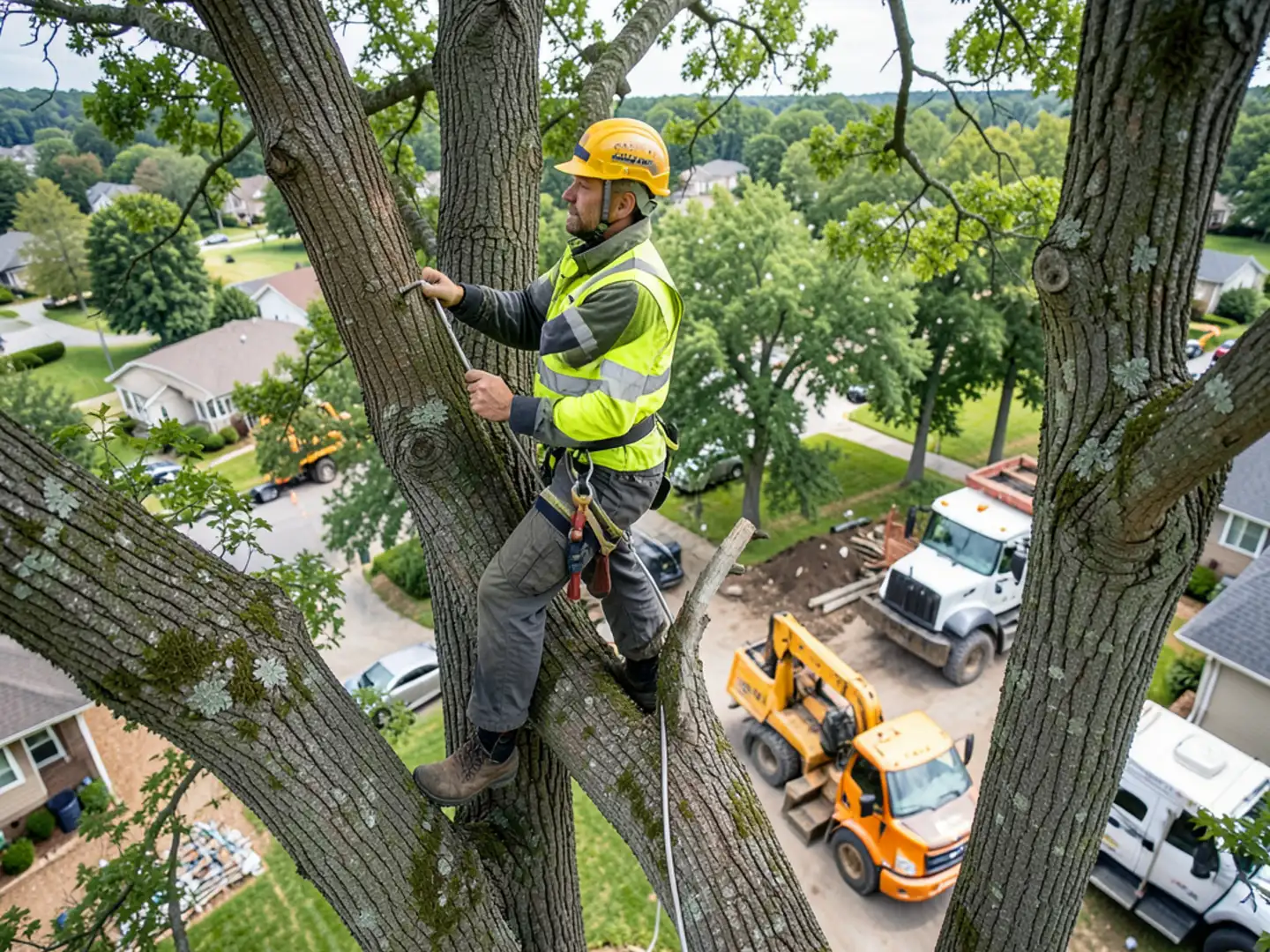
ANSI A300 Pruning Techniques for Oaks, Pecans & Pines
Targeted trimming methods tailored to specific tree species
Our arborists apply distinct pruning methodologies depending on the specific tree species, age, and site conditions across your property:
Hardwood species like southern red oaks and mature pecans require careful weight relief on long, horizontal scaffolding limbs that can fracture under heavy summer acorn crops or wet snowfall. In contrast, loblolly pines benefit from selective deadwooding and lower limb elevation, removing shaded interior branches that have ceased photosynthesis and now invite southern pine beetle investigation.
- Crown Cleaning: Thorough removal of dead, dying, diseased, and crossing branches larger than 2 inches in diameter
- Crown Thinning: Selective removal of interior branch foliage to increase sunlight penetration and decrease wind-sail resistance
- Crown Elevation: Elevating lower lateral branches to provide minimum 8-foot clearance for sidewalks and 14-foot clearance for roadways
- Crown Reduction: Shortening specific overextended branches back to lateral limbs at least one-third the diameter of the cut stem
- Deadwooding Historic Trees: Removing brittle, aged limbs from century-old oaks and pecans without damaging living tissue
- Clearance Pruning for Power Drops: Trimming back lateral growth encroaching within 10 feet of residential secondary service drops
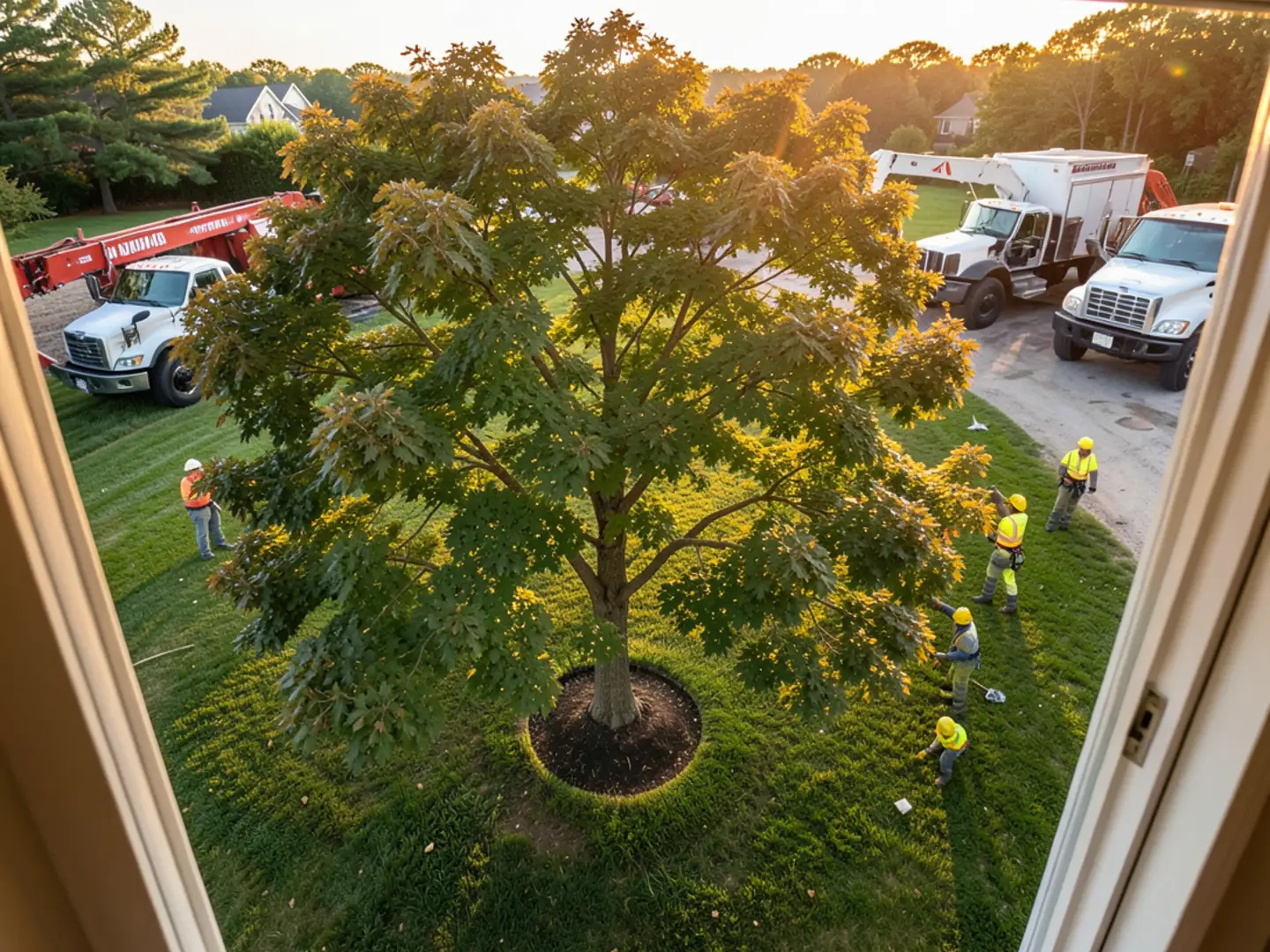
Step-by-Step Trimming Visit & Canopy Elevation
Professional execution with minimal lawn disruption
When our pruning crew arrives, we evaluate the tree's natural growth habit and mark target branches for elevation or reduction. Our technicians utilize high-reach insulated bucket trucks or SRT (Single Rope Technique) climbing systems with friction savers to access the canopy without driving spikes into living trunk tissue.
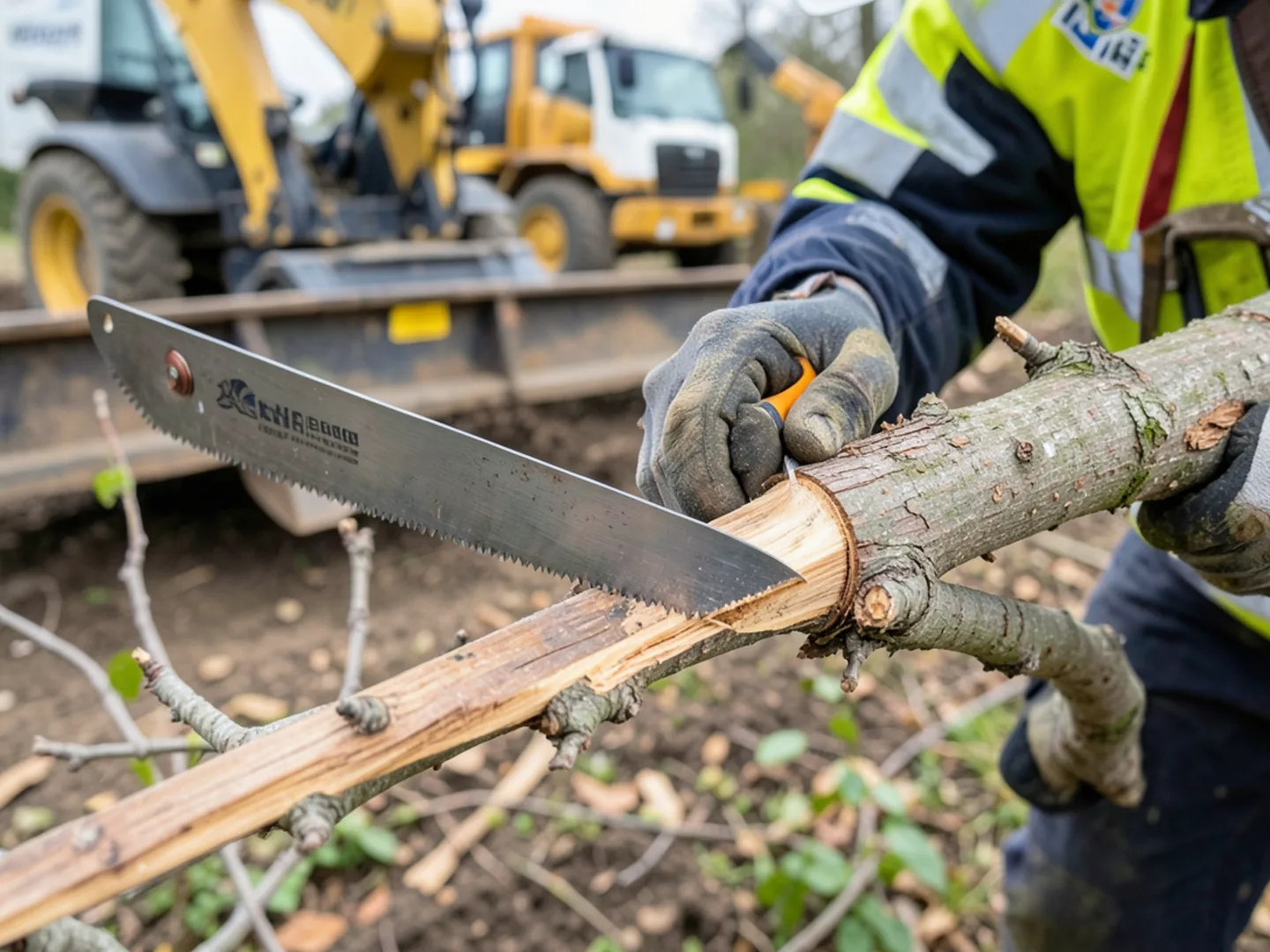
Every cut is executed outside the branch collar and branch bark ridge using the classic three-cut method to prevent bark tearing. Limbs over roofs or delicate gardens are roped and lowered under full control. Ground crews chip branches immediately and leave your lawn completely clean.
Throughout the work, our ground crew continuously processes cut branches through our commercial chipper, staging wood chips for customer garden mulch or hauling them off-site. We finish every trimming project with a full ground rake and high-velocity leaf blower sweep of your driveways, decks, and walkways.
Tree Cabling & Supplemental Support Systems for Split Stems
Preserving co-dominant hardwood stems with flexible steel hardware
Many of Newnan's most prized shade trees feature co-dominant stems—two or more main trunks growing from the same union with included bark trapped between them. These V-shaped unions lack continuous interlocking wood grain and represent one of the most common catastrophic failure points during high winds.
Rather than cutting down a magnificent shade tree with a co-dominant stem, Honey Bear Tree Service installs supplemental support systems. We install flexible, high-strength extra-high-strength (EHS) steel cables and through-bolts in the upper third of the canopy. These cables allow natural swaying in light breezes while restricting extreme movement during violent wind gusts, dramatically reducing split-trunk risk.
Preparing Your Trees for West Georgia Thunderstorm Season
Preventive pruning dramatically reduces storm damage claims
West Georgia experiences severe convective thunderstorms from April through September. Canopies that have not been pruned in years accumulate dense inner foliage and heavy deadwood. When 50 mph gusts hit an unpruned oak, the canopy acts like a massive ship's sail, transmitting tremendous rotational torque into the trunk and root flare.
Preventive structural thinning allows turbulent storm winds to pass freely through the branch architecture rather than pushing the entire crown. Investing in routine pruning every three to five years protects your home, extends the lifespan of heritage trees, and provides peace of mind throughout hurricane and storm seasons.
Our arborists inspect root plates, branch attachments, and canopy density to formulate a customized maintenance cycle that keeps your trees balanced, storm-resilient, and beautiful for decades to come.
Why West Georgia Chooses Honey Bear for Tree Trimming & Pruning
ISA-guided practices, spike-free climbing, and spotless cleanup
Your trees represent substantial curb appeal and cooling value for your property. Honey Bear Tree Service treats every tree with arboricultural respect, never climbing with spikes during routine maintenance and never cutting more foliage than the tree can handle.
Based at 65 Bullsboro Dr in Newnan, we serve homeowners across Coweta, Fayette, and Carroll counties with prompt on-site estimates, insured crews, and pristine job site cleanup. Call us today to schedule your structural pruning assessment.
Common Questions About Tree Trimming & Pruning
Tree trimming typically refers to clearing branches away from rooflines, fences, or sidewalks for aesthetic and clearance purposes. Structural pruning follows scientific ANSI A300 guidelines to correct poor branch architecture, remove dead or diseased limbs, thin overcrowded crowns, and reduce wind sail without compromising the tree's health or natural form.
Request Your Free Tree Trimming & Pruning Estimate
Call (321) 677-9055 today. Our local Newnan crew evaluates tree hazards, verifies municipal permit guidelines, and protects your property with clean job sites.